SOLAR MEMS Technologies and SATLANTIS Partner to Advance Next-Generation Attitude Determination for Agile Earth Observation Missions
SOLAR MEMS Technologies (SMT) and SATLANTIS have signed a Memorandum of Understanding (MoU) to collaborate on the development and in-orbit validation of next-generation attitude determination technologies for Earth Observation (EO) missions.
The agreement represents an important step forward for the Spanish NewSpace ecosystem, bringing together two companies with complementary expertise in high-performance space instrumentation, satellite technologies, and advanced mission operations.
Enabling Precision for Agile Earth Observation
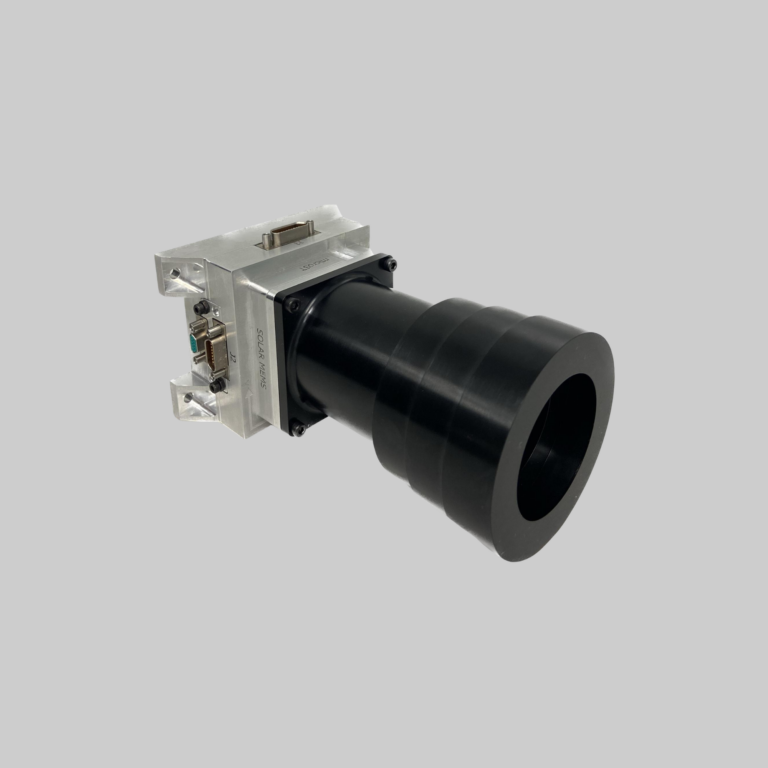
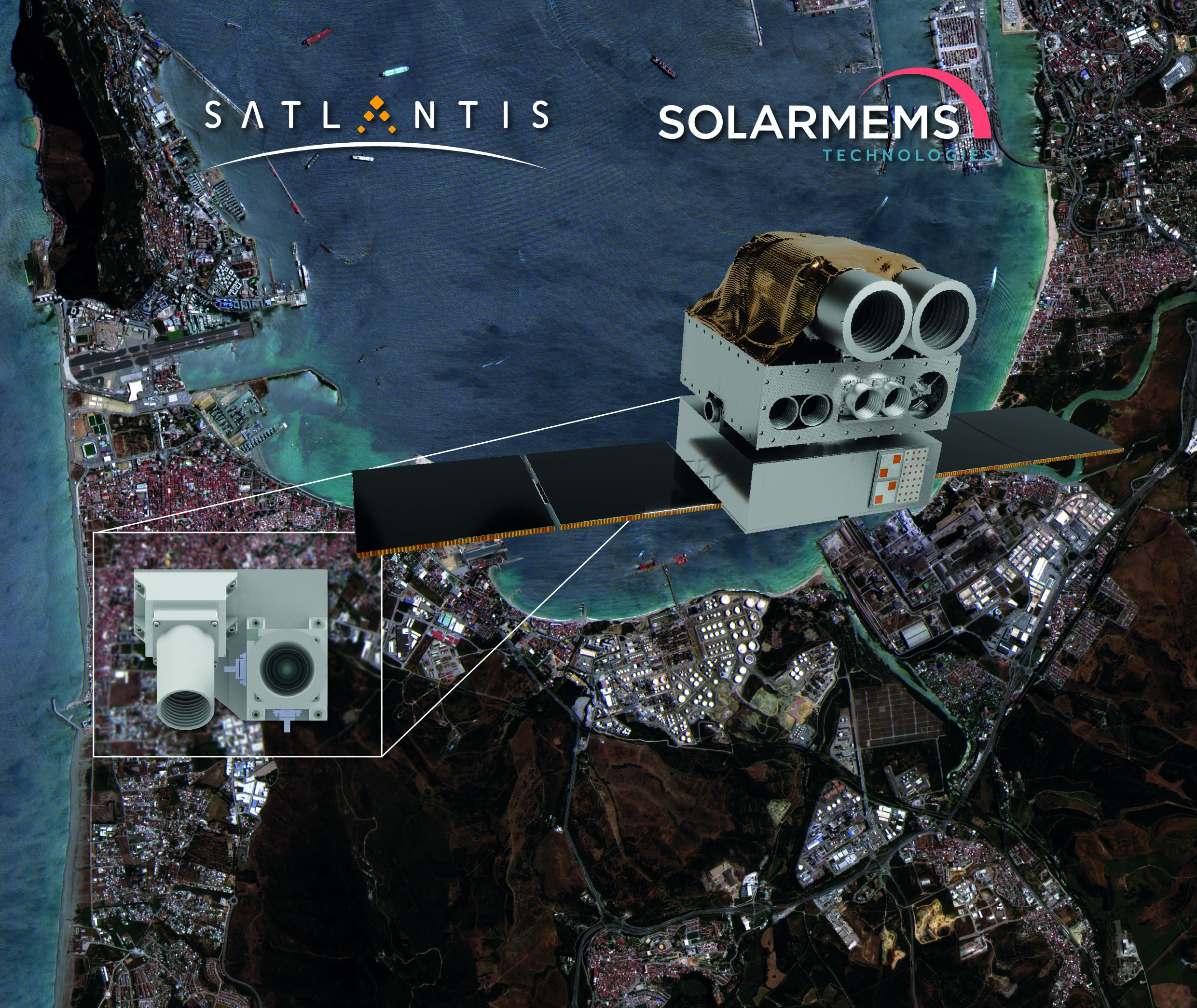
As part of the collaboration, SMT’s new microST star trackers will be integrated into the ELCANO-1 FlexSat mission, the first satellite in SATLANTIS’ new generation of agile microsatellite platforms.
The mission will validate the performance of SMT’s compact star tracker technology under demanding operational conditions, targeting attitude accuracy better than 5 arcseconds even during agile maneuvering scenarios. This level of precision is increasingly critical for modern EO missions, where high-resolution imaging, rapid retargeting, and continuous observation capabilities require extremely accurate and stable attitude determination systems.
Beyond basic attitude sensing, the collaboration will also focus on validating:
- Advanced geolocation accuracy
- Pointing stability during dynamic operations
- Thermoelastic behavior effects on payload performance
- Continuous imaging capabilities under agile maneuvering conditions
The in-orbit campaign will generate valuable operational data to further optimize both navigation performance and imaging quality for future satellite missions.
The Role of Star Trackers in Next-Generation Space Missions
Star trackers are among the most accurate attitude determination sensors available for spacecraft. By identifying star patterns and comparing them with onboard celestial catalogs, they provide highly precise orientation references independent of magnetic disturbances or GNSS availability.
As EO missions evolve toward increasingly agile and responsive architectures, spacecraft require navigation and attitude systems capable of maintaining precision during rapid slews, continuous retargeting, and complex imaging sequences.
SMT’s microST family has been designed specifically to address these challenges by combining:
- High pointing accuracy
- Compact size, weight, and power (SWaP)
- Robust operation under dynamic conditions
- Compatibility with modern microsatellite and small satellite platforms
The ELCANO-1 mission will provide a unique opportunity to validate these capabilities in a real operational environment.
Strengthening the Spanish Space Ecosystem
The partnership also highlights the growing strength and maturity of the Spanish space industry, where collaboration between specialized technology developers and satellite integrators is accelerating innovation cycles and enabling globally competitive solutions.
Juan Tomás Hernani, CEO of SATLANTIS, emphasized:
“This collaboration with Solar MEMS reflects the potential of the Spanish space ecosystem to jointly develop critical, high-value-added technologies. At SATLANTIS, we are redefining how information is acquired from space through agile, multisensor platforms, and this partnership strengthens that trajectory, consolidating a highly innovative and internationally competitive Spanish space ecosystem.”
José Miguel Moreno López, CEO of SOLAR MEMS Technologies, added:
“From advanced engineering to space: when a next-generation star tracker is tested aboard an Earth Observation satellite, innovation stops being a promise and becomes a demonstrated capability. Solar MEMS develops and SATLANTIS evaluates in orbit, connecting attitude telemetry with the real performance of telescopes and imaging products. The result is faster learning cycles, optimized performance, and accelerated technology maturity based on real operational data.”
Looking Ahead
The collaboration between SMT and SATLANTIS reflects a broader industry trend toward highly agile, data-driven EO systems capable of delivering faster response times, improved geolocation accuracy, and enhanced operational flexibility.
By combining advanced attitude determination technologies with innovative multisensor EO platforms, both companies are contributing to the development of the next generation of responsive space systems.
As the ELCANO-1 mission progresses, the in-orbit validation campaign is expected to provide valuable insights that will support future commercial, scientific, and institutional missions requiring high-precision orientation and imaging performance.